 Full Catalog PDF

Key Takeaways:
- Loose gravel shifts, ruts, and erodes. A gravel grid system keeps it in place permanently without replacing the gravel itself.
-
Vodaland’s EasyPave handles standard vehicle loads up to 80,000 lbs. EasyPave PRO goes up to 120,000 lbs for heavier commercial traffic.
-
The base preparation underneath the grid matters as much as the grid itself.
-
Geotextile fabric under the grid is what keeps the gravel from migrating into the soil below over time.
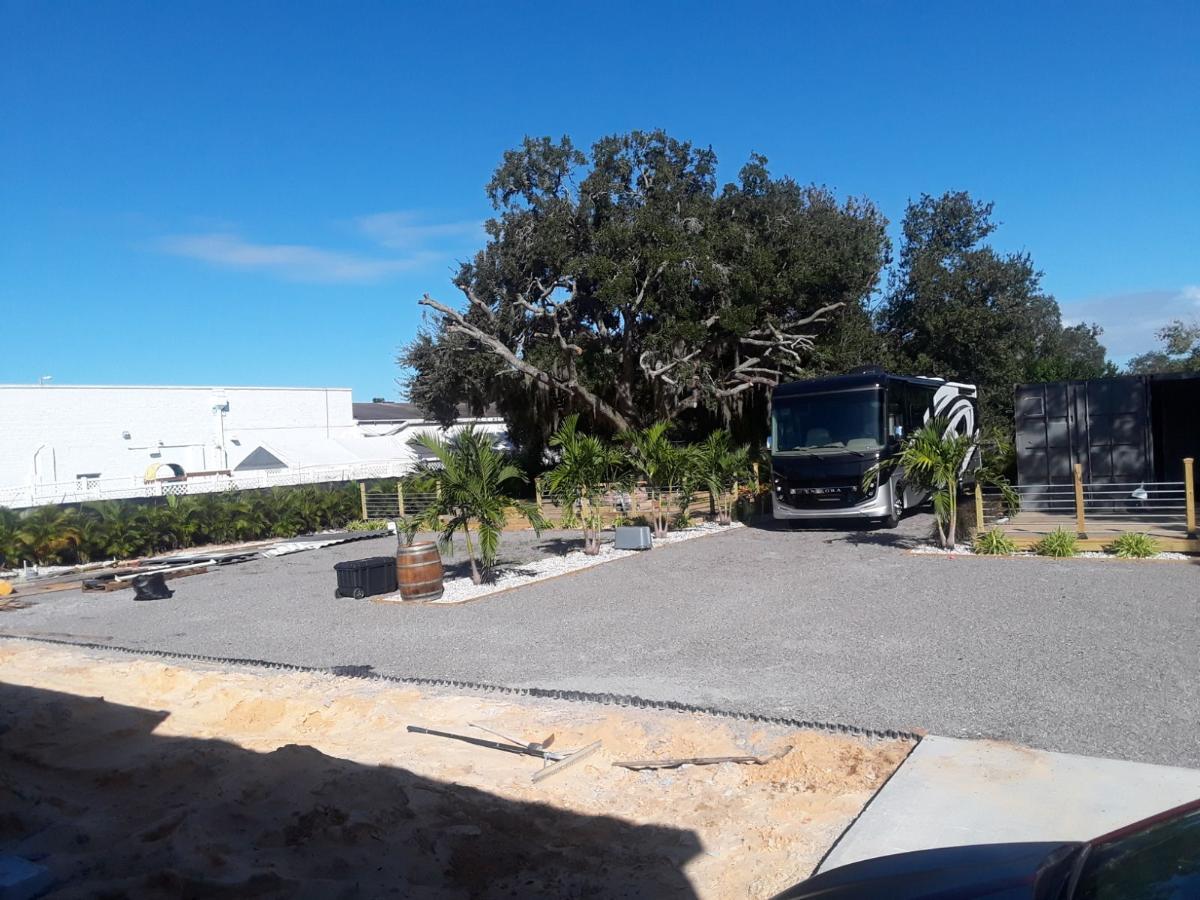
Gravel parking lots are a practical, cost-effective surface for all sorts of properties: farms, event venues, commercial sites, and residential properties that need overflow parking. The problem is that loose gravel doesn’t stay put. It moves toward the edges, ruts under vehicle loads, and turns muddy after rain. Over time, a gravel lot that started clean and functional becomes an uneven, eroded mess that needs constant regrading and topping up.
A gravel grid system solves all of that once. The grid locks gravel in place, distributes vehicle loads across the surface, and lets water drain through rather than pool on top. The result is a stable, low-maintenance surface that holds up through heavy use and bad weather without the cost of concrete or asphalt.
Why Gravel Lots Fail Without Stabilization
Loose gravel fails for a few reasons, and they all come back to the same root problem: nothing is holding it in place.
1. Rutting
Vehicles concentrate load on small surface areas. Without structural support beneath the gravel, that load pushes gravel aside and compresses the soil below, creating ruts that get deeper with every pass.
2. Migration
Gravel naturally moves toward the edges of a surface under vehicle traffic and foot movement. Without containment, a lot that started with six inches of gravel ends up with two inches in the middle and a pile at the perimeter.
3. Erosion
Rain moves loose gravel. Surface runoff carries it toward low points and off the lot entirely, which means constant replenishment just to maintain surface depth.
4. Mud
When gravel migrates or erodes down to the native soil, traffic churns that soil into mud. A gravel lot that turns into a muddy mess after every rain isn’t a gravel problem, it’s a stabilization problem.
A gravel grid system addresses all four by confining gravel within individual grid cells. Each cell holds the gravel in place, the grid distributes load across the surface, and water still passes through freely.
How to Choose a Gravel Grid System
Vodaland offers two gravel grid systems built for vehicle traffic applications: EasyPave and EasyPave PRO. Both are made from 100% recycled high-density polyethylene, both use a snap-lock connection system, and both accept gravel fill. The difference is load capacity, which matters a lot.
EasyPave supports up to 80,000 lbs per square foot, which covers the majority of residential and light commercial parking applications. Standard passenger vehicles, pickup trucks, delivery vans, and similar loads fall well within that range. For a farm parking area, a small commercial lot, or residential overflow parking, EasyPave handles the load without being over-specified.
EasyPave PRO steps up to 120,000 lbs per square foot, which brings semi-trucks, RVs, heavy equipment, and high-density commercial traffic into range. If the lot sees any heavy vehicle movement on a regular basis, EasyPave PRO is the right call. Underspecifying and replacing the system after it fails under load is more expensive than getting the load rating right from the start.
A useful rule of thumb: think about the heaviest thing that will ever park or drive on that surface, not just the typical load. Spec for the worst case.
For a detailed comparison of both systems alongside HexPave for lighter applications, see our full guide: HexPave vs. EasyPave vs. EasyPave PRO: Which Permeable Paver is Right for Your Project?
What Goes Under the Grid Matters as Much as the Grid Itself
A gravel grid system is only as stable as the base it sits on. Skip the prep work and the surface will settle, shift, and underperform regardless of which product you choose.
1. Excavate first
Remove existing surface material to a depth of four to six inches for vehicle applications—deeper if the soil is soft or the load is heavy. The excavated area should be graded with a slight slope to direct water flow away from structures and toward a drainage outlet.
2. Lay geotextile fabric
This is the step most people skip and most people regret. Geotextile fabric sits between the gravel base and the native soil, preventing gravel and fill material from migrating into the soil below over time. Without it, the gravel base slowly disappears into the ground and the surface sinks. Roll the fabric across the full excavated area, overlapping seams by at least six inches.
3. Add a compacted gravel base
A four to six inch layer of compacted crushed stone or road base aggregate goes on top of the fabric. This is the structural layer, which distributes load from the grid to the native soil below. Compact it thoroughly before installing the grid. A base that isn’t fully compacted will settle unevenly under load.
Installing the Grid
Once the base is prepared, installation is straightforward. EasyPave and EasyPave PRO both use a snap-lock connection system. The panels click together without tools or fasteners, working in rows across the prepared surface.
Cut panels to fit edges and irregular shapes using a handsaw or table saw. The material cuts cleanly and the trimmed edges maintain structural integrity, so fitting around curves, corners, and irregular boundaries is manageable without special equipment.
On sloped areas or sites with grade changes, add Vodaland paver anchors as you install. One to two per panel pins the grid into the base layer and prevents shift on grade. It’s much easier to include anchors during installation than to address movement afterward.
Filling the Grid
For parking lot applications, gravel is the right fill. It’s permeable, stable under load, and gives the surface the clean, finished appearance of a functional lot rather than a bare grid.
Fill each cell flush with the top of the grid. Overfilling causes the same migration problem the grid is designed to prevent, and underfilling leaves the grid surface exposed. A plate compactor run over the filled surface after installation seats the gravel and ensures an even finish.
Gravel will need occasional topping up over time as some surface migration occurs, but significantly less than an unstabilized lot. The grid contains the majority of the fill and prevents the deep loss that causes unstabilized lots to fail.
A Gravel Lot That Stays a Gravel Lot
Grid systems preserve the appeal of gravel while solving the problems that make loose gravel frustrating to maintain. Stable surface, no rutting, no mud season, and water that drains through rather than pooling on top.
EasyPave and EasyPave PRO give you the right load rating for whatever traffic the lot actually sees. Pick the one that fits the load, prep the base correctly, and the surface holds up with very little ongoing attention.

Leave a comment
This site is protected by hCaptcha and the hCaptcha Privacy Policy and Terms of Service apply.