 Full Catalog PDF

Key Takeaways:
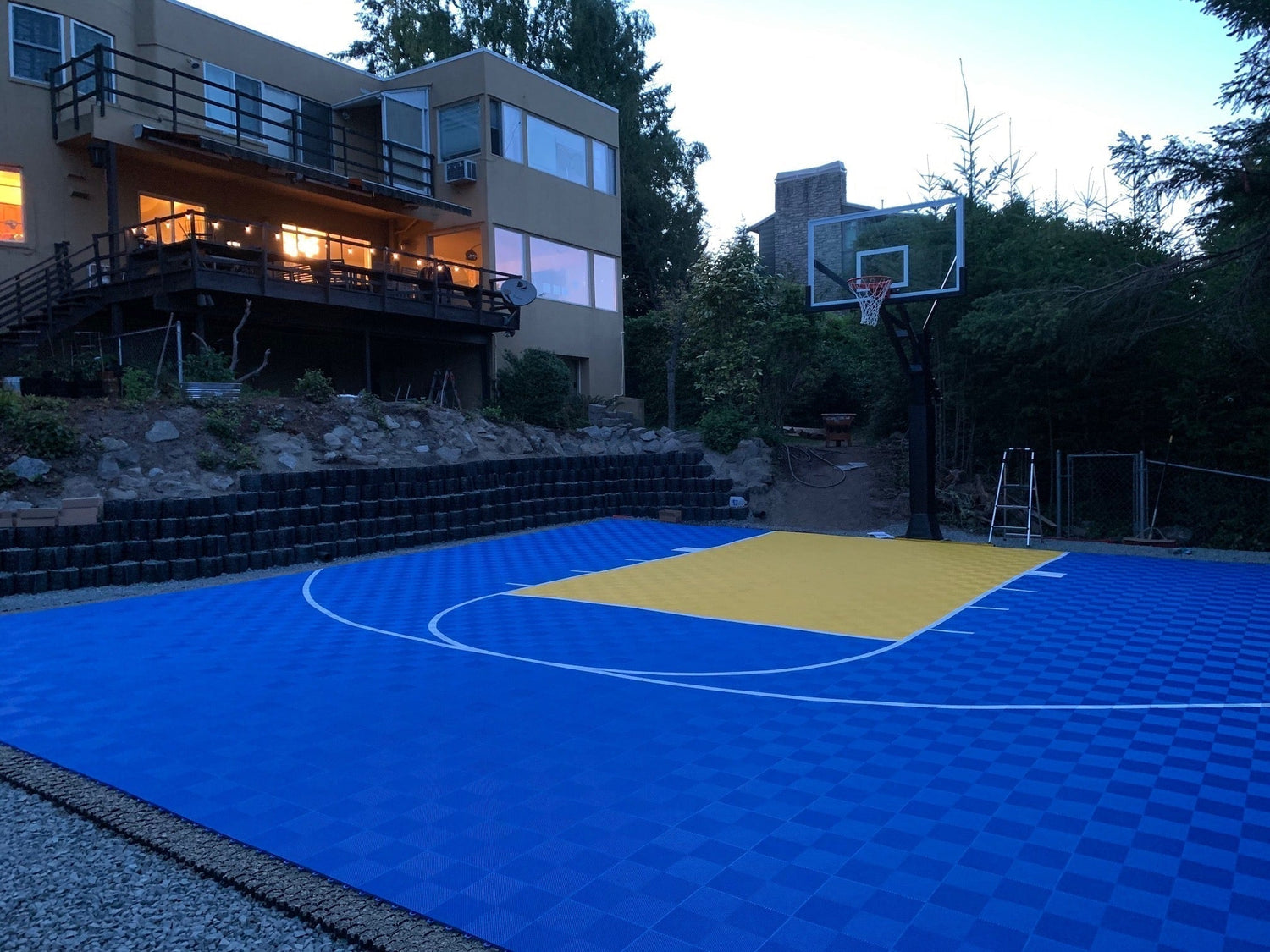
1. Outdoor court construction (especially pickleball) is growing fast, and drainage is quickly becoming the top priority for court longevity and player safety.
2. Standing water causes delamination, surface cracking, and costly resurfacing over time.
3. Slot and channel drains positioned at court perimeters clear water fast without creating tripping hazards mid-play.
4.Systems with accessible cleanout points keep drainage working without major maintenance.
Outdoor sports courts are going up faster than most facility owners expected just a few years ago. Pickleball has driven a lot of that growth. Dedicated facilities grew 55% year-over-year in 2024, and by early 2025 there were more than 70,000 pickleball courts nationwide, according to the SFIA's 2024 State of Pickleball report.
That growth is happening everywhere, from the humid Southeast to the rainy Pacific Northwest. As more courts get built, the conversation is shifting. It's not just about building fast anymore—it's about building courts that last. And the one thing that does more for a court's lifespan and player safety than almost anything else is proper drainage.
How Poor Drainage Damages Courts and Puts Players at Risk
Standing water is the biggest threat to any outdoor court surface, and the damage gets worse the longer it sits.
Surface Delamination
When water pools on a court and doesn't clear quickly, it seeps under the acrylic coating and weakens its bond to the asphalt or concrete underneath. Over time, this causes the surface to crack, bubble, and peel—damage that usually means a full resurfacing job, not a quick patch.
Player Safety and Slip Risk
Even a small amount of leftover moisture on a hard court creates a real slip hazard. This matters even more for pickleball, since the game draws players of all ages. A slip that's minor for one player could be serious for another.
Less Time on the Court
Courts that hold water after rain stay closed longer than they need to. For facilities running on bookings or memberships, every extra hour a court sits unplayable is lost revenue.
Faster Wear Over Time
Repeated cycles of standing water followed by drying put real stress on a court surface. Courts that drain well simply age slower and hold their resurfacing investment longer.
How to Build Proper Drainage Into a Court From the Start
Fixing the standing water problem starts with grading.
Proper slope is the foundation everything else depends on. No drain placed afterward can fully make up for a base that wasn't graded right. From there, drainage needs to capture water at the court's edges, before it has a chance to pool across the surface.
And just as important: knowing where that water goes next. A good outlet plan routes water away from the court instead of just moving the problem to the edge of the property.
The same basic slope rules apply here as any drainage system. A steady minimum slope toward the outlet (around 1% for surface systems) keeps water moving instead of sitting at the court's edges.
How Channel and Slot Drains Keep Courts Safe and Dry
Not every drainage option fits a court. The surface itself limits the choices quite a bit.
Flush, Low-Profile Installation
A court needs to stay completely flat with nothing sticking up. Channel and slot drains installed flush with the surface remove tripping hazards entirely.
High Flow Capacity
Courts need to clear heavy rain fast to stay playable. A properly sized channel drain handles a downpour without letting water back up and sit on the surface.
Continuous Capture Along the Edge
Unlike a single point drain, a linear channel running along the court perimeter catches sheet flow across the entire surface. This is one of the clearest cases where a channel drain just works better than a point solution.
Vodaland's Channel Drain Systems are built for this kind of edge-to-edge capture, with grate options that keep the playing surface flush and safe while still handling real flow volume.
How to Keep Leaves and Debris From Clogging Your Court's Drains
Rain isn't the only thing courts have to deal with. Leaves, pine needles, and other debris collect around the edges constantly and end up working their way toward the drains.
A system that's hard to access becomes a maintenance headache fast. Clogged inlets lead to pooling in exactly the spots you were trying to protect. Systems with removable grates and accessible debris baskets fix this without needing to tear anything apart.
Vodaland's Inline Sand Trap fits standard 4" wide base channel systems and catches sediment and debris before it reaches the outlet pipe—so keeping the system clear is just a quick basket check, not a service call. For collecting water at a single point around the court or nearby walkways, Vodaland's Catch Basins offer the same easy debris access.
Building cleanout access into the original design keeps a court's drainage working well for years with very little effort from staff.
How Pavers Can Reduce Runoff Around Your Court
The court surface itself depends on grading and perimeter drainage, but the areas around it matter too: walkways, spectator areas, parking.
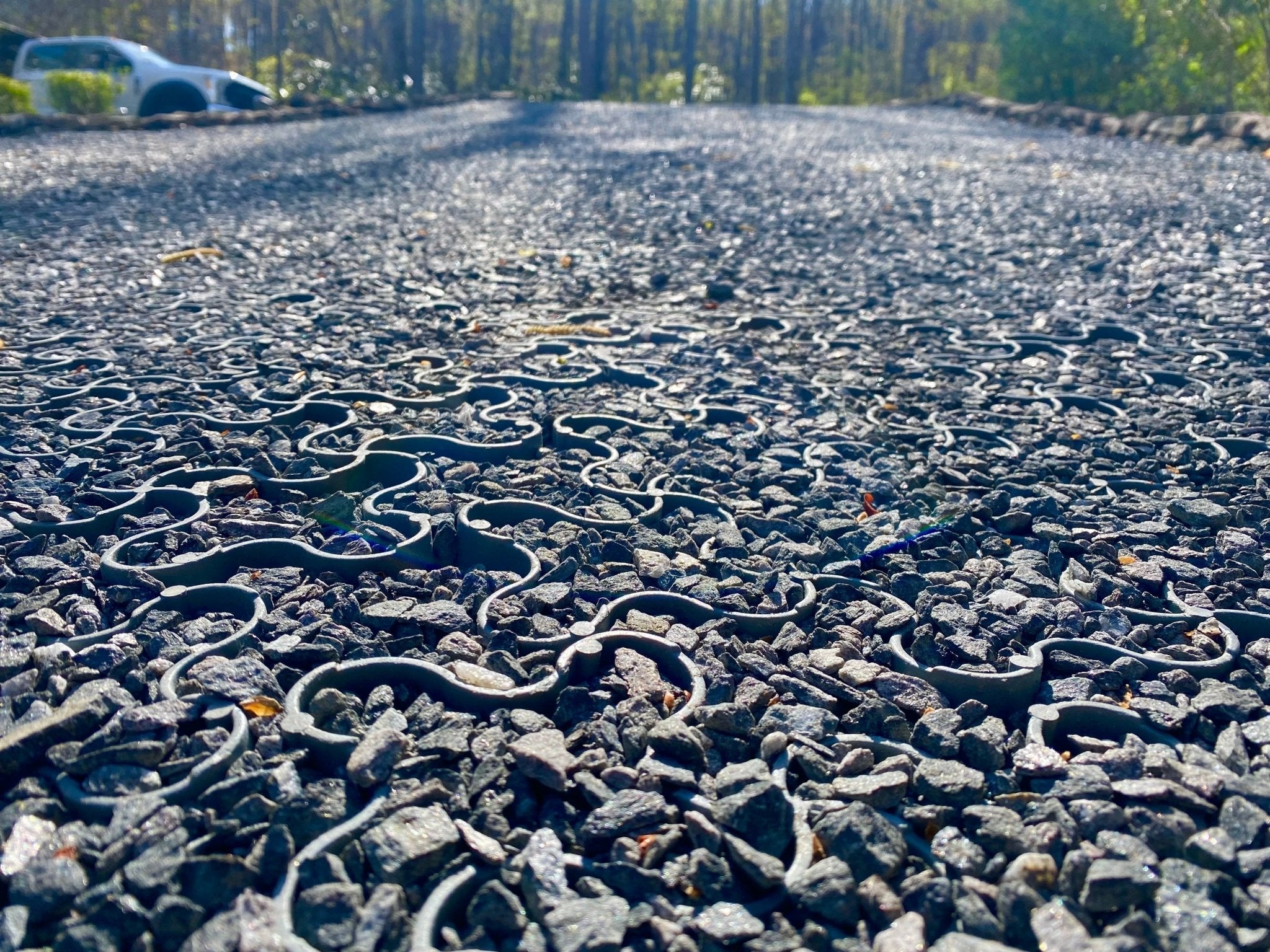
Permeable paver systems, like Vodaland's EasyPave, let water soak through the surface instead of running off toward the court. That means less water for the court's drainage system to deal with during a storm.
For facilities planning a full court complex, treating the surrounding hardscape as part of the same drainage plan pays off in less overall runoff pressure on the courts.
When to Plan Drainage Into Your Court Build
The best time to think about drainage is during the initial design—not after players start complaining about puddles or a court starts showing early signs of peeling.
You can retrofit drainage into an existing court, but it's almost always more expensive and disruptive than building it in from the start. If you're planning new construction or looking at an underperforming court, working through the grading and drainage plan before the surface goes down is the single biggest thing you can do.
Build It to Last, Not Just to Open
The courts that hold up are the ones that treated drainage as part of the core build, not an afterthought. A court can have the best surface coating on the market and still fail early if the water has nowhere to go.
Get the grading right, get the drainage right, and make maintenance easy from day one. Do that, and the court will keep playing well long after opening day is a memory.
If you have any additional questions, Reach Out to a Vodaland Designer today!


Leave a comment
This site is protected by hCaptcha and the hCaptcha Privacy Policy and Terms of Service apply.