 Full Catalog PDF

Key Takeaways:
1. Spring is the highest-risk season for water damage. Frozen ground, saturated soil, and heavy rainfall all hit at the same time.
2. Most foundation water problems and erosion issues start small.
3. A few targeted drainage improvements like downspout extensions, regrading, and catch basins can prevent thousands of dollars in repair costs.
4. Erosion, pooling, and foundation leaks are connected problems. Fixing one often means addressing all three.
After a winter of frozen ground, saturated soil, and months without real drainage activity, the first heavy spring rains hit harder than most homeowners expect. Gutters are clogged. Soil grades have shifted. Erosion from last fall never got addressed. And now all of that water has to go somewhere.
This guide covers the most common problem areas, what they cost when left alone, and what to do about them before the rain starts.
Why Spring Is the Hardest Season for Your Drainage System
Most water damage happens during spring, and there are a few reasons why.
Frozen ground doesn't absorb water. During the first warm weeks of the season, snowmelt and early rain land on soil that's still partially frozen and has nowhere to go but across the surface. That runoff moves fast, concentrates quickly, and heads straight for whatever is lowest on your property—which is often your foundation or your basement.
Soil also shifts over winter. Freeze-thaw cycles move soil, change grades, and can reverse slopes that were previously draining away from the house. A grade that was working fine in October may be directing water toward your foundation by March.
Add the debris that's accumulated in gutters and drains over winter, and you have a system that's being asked to handle peak water volume at the moment it's least prepared to do so.
4 Ways to Spot Drainage Problems Before the Rain Hits
Walk your property on a dry day and look for these warning signs:
1. Soil Settled Against the Foundation
The ground immediately around your house should slope away—at least one inch per foot for the first six feet. If it's flat or sloping toward the house, that's a problem waiting to get worse. Foundation repairs from water damage average $5,000 to $15,000 or more depending on severity.
2. Downspouts Discharging too Close to the House
If your downspouts terminate within two or three feet of the foundation, every rainstorm is dumping concentrated roof runoff exactly where you don't want it. This is one of the most common and most fixable contributors to foundation moisture problems.
3. Low Spots in the Yard
Depressions that held water last fall will hold more water this spring. Left alone, they become larger and more damaging over time. If they're near the house, they contribute to soil saturation around the foundation.
4. Bare or Eroding Soil on Slopes
Exposed soil without ground cover or stabilization is highly vulnerable in spring. Once water starts moving it, the process accelerates fast. Replacing eroded topsoil and reseeding can run $500 to $3,000 depending on the area, and that's before addressing the drainage issue that caused it.
How to Fix Pooling Water Around Your Foundation
Foundation pooling is the highest-stakes drainage problem on this list. The damage it causes is slow, invisible, and expensive. Work through these fixes in order:
1. Extend Your Downspouts
Flexible extensions are inexpensive and installable in an hour. Get discharge at least six to ten feet from the house.
2. Add Splash Blocks Where Extensions Aren't Practical
They break the force of water discharge and push it away from the foundation rather than letting it pool at the base.
3. Regrade Shifted Soil Before Spring Arrives
Use compactable fill to restore a slope of at least one inch per foot for the first six feet around the house. A manageable weekend project that makes a real difference.
4. Install a Catch Basin If Surface Fixes Aren't Enough
For higher water volumes or recurring problems, a catch basin gives water a controlled, piped exit route well away from the house. Vodaland's 12x12 Downspout Catch Basin sits directly under the downspout, connects to standard piping, and includes a built-in debris basket that stays clear through spring leaf drop. The removable grate makes cleanout quick.
Ignoring foundation water doesn't save money. It defers a larger repair. Basement waterproofing after water intrusion typically runs $3,000 to $10,000. A catch basin and downspout extension costs a fraction of that.
How to Stop Erosion Before Spring Rain Makes It Worse
Bare slopes, disturbed soil, and areas that eroded last year are all high-risk zones heading into spring. Water on a slope moves fast, and once soil starts moving, each rain event makes it worse. Here's how to address it by situation:
Unstable Slopes and Embankments
Vodaland's GeoCell system locks soil and aggregate in place with a honeycomb structure that holds even on steep or uneven terrain. It’s a reliable fix for yard edges, embankments, and anywhere you've seen soil movement after rain.
High-Traffic Areas That Get Muddy and Rutted
Permeable paves give you a stable surface that manages water rather than shedding it. This reduces the runoff that causes erosion in the surrounding landscape. Worth considering for gravel driveways, side yards, and areas near outbuildings.
Concentrated Runoff From Downspouts or Low Areas
A dry well handles erosion at the source. Vodaland's DryWell system collects excess water and disperses it gradually into the ground rather than letting it sheet across the surface and carry soil with it. It integrates cleanly with catch basins and trench drains if you're building out a more complete drainage plan.
The Drainage Points Worth Checking Right Now
Beyond the foundation and slopes, a few other areas are worth a quick check before spring arrives:
Gutters and Downspouts
Clear any debris from winter before the first rain hits. A blocked gutter overflows at the roofline and sends water directly down the foundation wall—one of the fastest ways to develop a basement moisture problem.
Driveway Edges
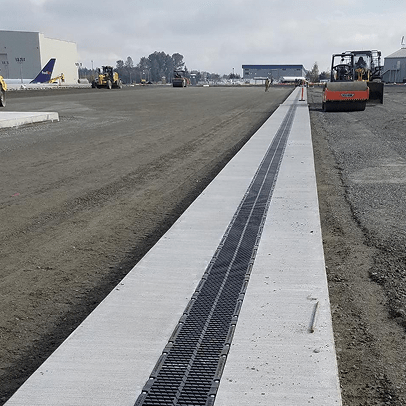
If your driveway slopes toward the house or garage, check whether water from last fall found a path toward the foundation. This is a good time to consider a channel drain across the driveway apron if that's a recurring problem.
Yard Low Spots
Fill and regrade any depressions that collected standing water last year. If the low spot is persistent, a catch basin or dry well at that point solves it more reliably than regrading alone.
The Cost of Waiting Is Always Higher Than the Cost of Fixing It
Spring water damage is predictable, but preventable. The repairs that come after a bad spring season are almost always more expensive than the drainage improvements that would have prevented them.
Foundation cracks, eroded slopes, flooded basements, and damaged driveways all cost significantly more to fix than to protect against. A few targeted improvements before the rain arrives can save a homeowner thousands of dollars in a single season. The window to act is now, while the ground is dry and the work is straightforward.


Leave a comment
This site is protected by hCaptcha and the hCaptcha Privacy Policy and Terms of Service apply.