 Full Catalog PDF

Key Takeaways:
- Fall is the best time to address drainage problems. Fix them now and your property handles winter and spring runoff significantly better.
- Leaves can clog drains, trap moisture, and cause damage that builds up over the season.
- Damp spots and soft soil in fall are early warning signs. They get worse before they get better if left alone heading into winter.
- Slope and grading issues that seemed minor in summer become serious problems once heavy rain and snowmelt arrive.
Most homeowners think of fall as a time to clean up the yard and call it a season. But fall is actually the best window to find and fix drainage problems before winter makes them worse.
The ground is still workable, the rain hasn't turned to ice yet, and the issues that showed up over summer are still visible and fresh. Miss this window and you're dealing with the same problems in spring. Here's what to look for and what to do about it.
Identify Damp Areas Before Winter Sets In
Walk your property after a dry spell and look for spots that are still soft, dark, or holding moisture when everything around them is dry. These are your problem areas.
Damp spots that linger after rain indicate one of a few things:
- Poor drainage in that zone
- Compacted soil that can't absorb water
- Water migrating laterally from higher ground
Any of these is worth addressing before the ground freezes, because standing water that freezes expands and causes damage to soil structure, hardscape, and anything nearby.
Pay particular attention to areas adjacent to the foundation, low points in the yard, and spots downhill from downspouts. These are the most common locations for persistent moisture that goes unnoticed until it becomes a bigger problem.
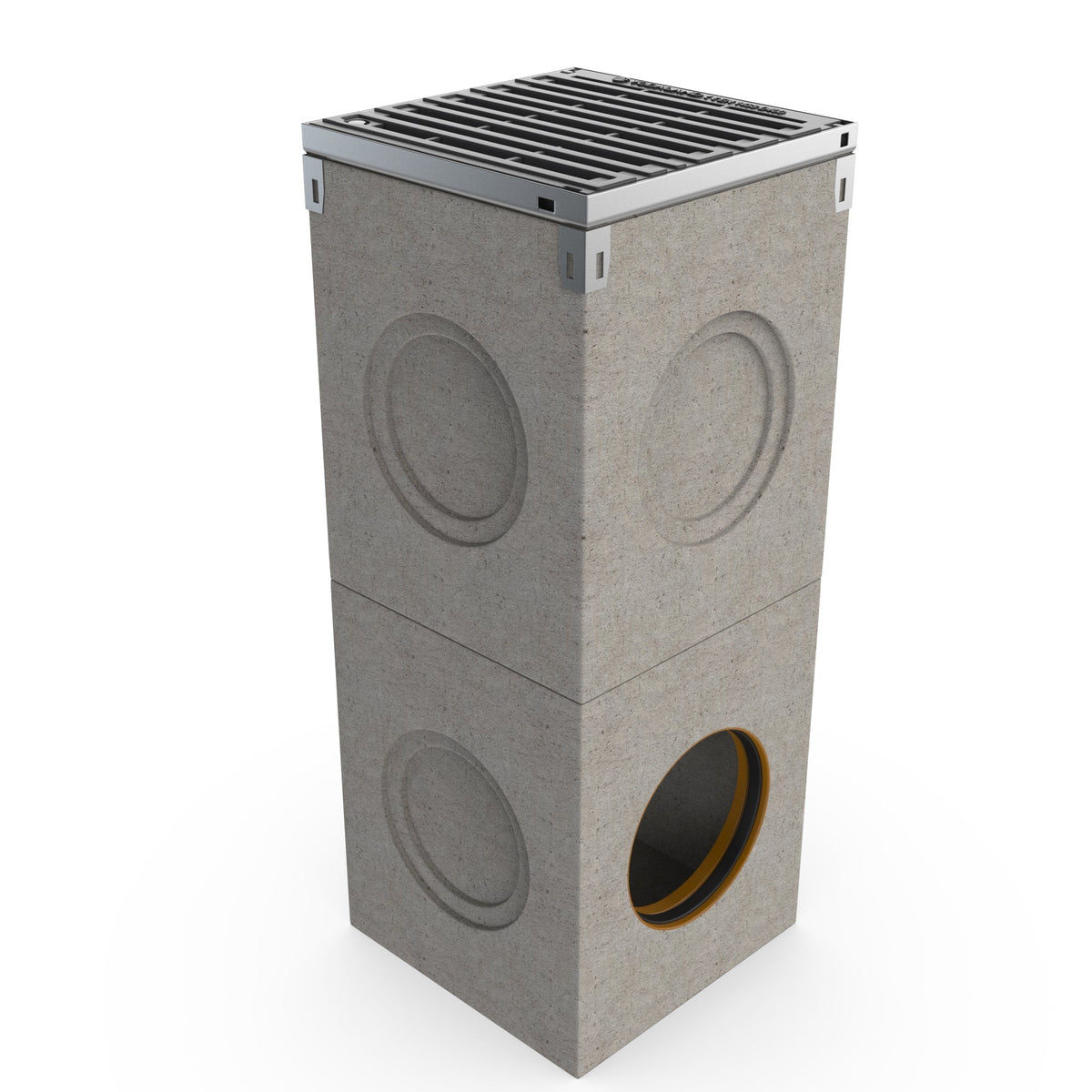
If a damp spot is tied to a downspout or a concentrated runoff source, a catch basin or dry well at that point moves water away before it saturates the surrounding soil. If it's a low point with no clear water source, regrading to improve drainage toward a suitable outlet is usually the fix.
Get Your Leaves Under Control
Leaves are one of the most underestimated fall drainage issues. They look harmless sitting on the lawn, but they cause real problems when they end up in drainage systems.
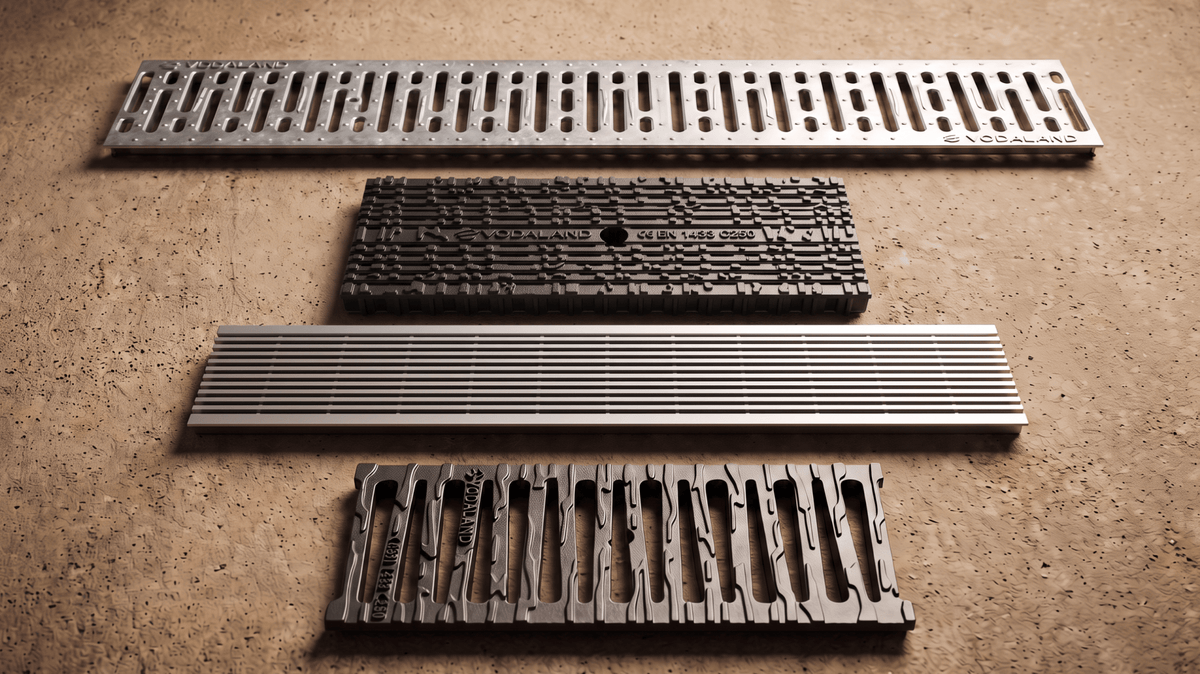
Leaves that collect over channel drains, catch basin grates, and trench drain openings block water intake. A drain that's covered in wet leaves can get backed up quickly. In a heavy fall rain, that means pooling in exactly the spots your drainage system was designed to protect.
The fix is making sure the drainage systems on your property can handle the debris load that fall brings.
This is where inline sand traps earn their keep. Vodaland's Inline Sand Trap fits standard 4" wide base channel systems and includes a removable debris basket that catches leaves and sediment before they reach the outlet pipe.
Emptying the basket takes a few minutes. Clearing a clogged outlet pipe is a much bigger job. If your property has significant tree coverage over or near drainage channels, this is the time to make sure that basket is clean and accessible heading into the heaviest leaf drop of the year.
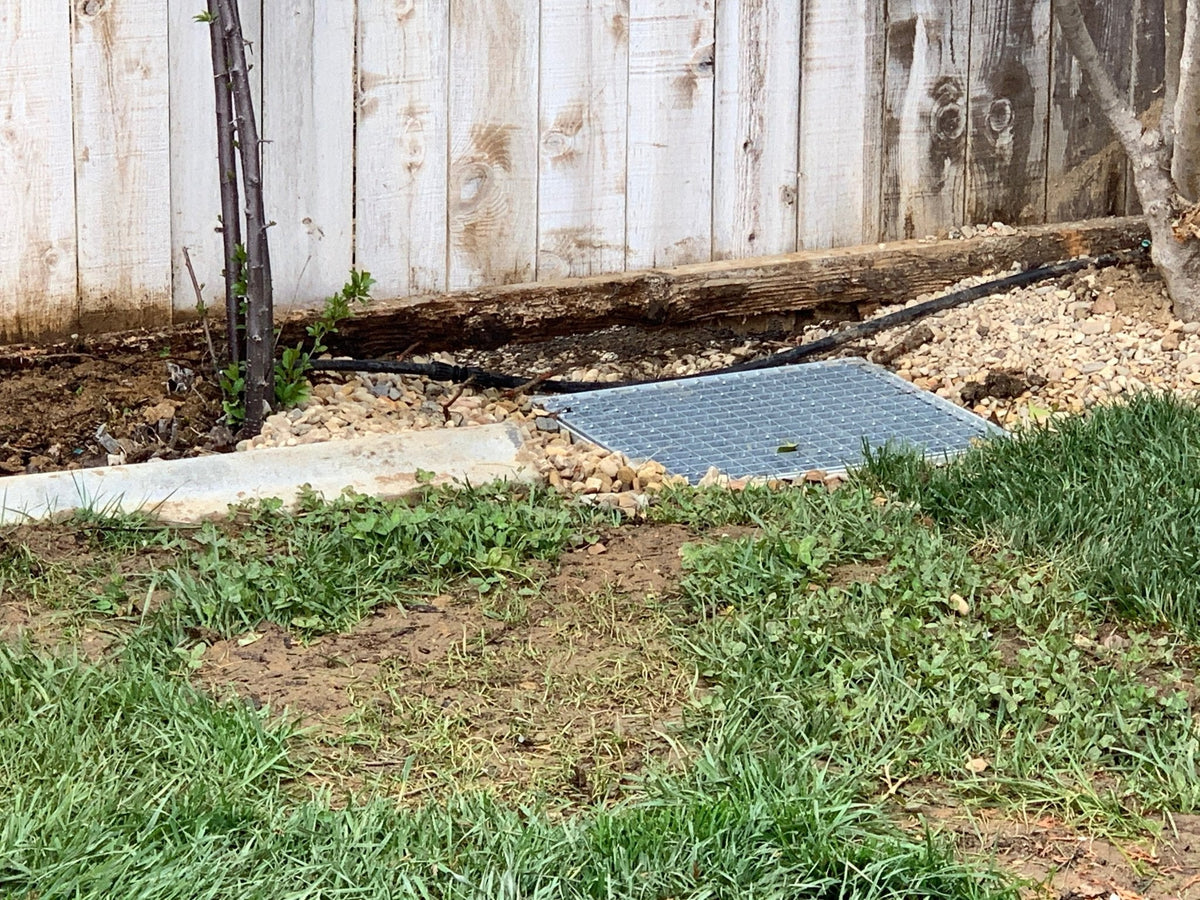
For catch basins, check that debris baskets are clear and that grates are seated properly. A grate that's slightly lifted or shifted by summer foot traffic lets debris into the basin faster than it should.
Evaluate Your Foundation Before the Ground Freezes
Fall is your last chance to address foundation drainage before winter arrives. Once the ground freezes, your options are limited. Any water that's sitting against the foundation when temperatures drop is going to cause problems.
Walk the perimeter of your house and check a few things:
- Downspout discharge points. Are they terminating close to the house? Six to ten feet is the minimum. If they're discharging within two or three feet of the foundation, extend them before the first hard freeze.
- Soil grade. The ground around the foundation should slope away at roughly one inch per foot for the first six feet. If it's flat or sloping toward the house, a quick regrade with compactable fill before the ground hardens addresses it now rather than in spring.
- Damp basement walls or crawlspace moisture. If you saw any of this over summer, the exterior drainage situation is already contributing to it. A catch basin at the base of problem downspouts intercepts the water before it reaches the foundation zone.
Foundation repairs from water damage typically run $5,000 to $15,000 depending on severity. The fixes that prevent them cost a fraction of that and take an afternoon.
Fix Slope and Grading Issues
Grading problems that seemed minor in summer show up clearly in fall when rainfall increases and the ground is less able to absorb water quickly. If you noticed water sheeting toward the house, pooling along a fence line, or collecting at the base of a slope during summer storms, fall is the time to act on it.
The ground is still soft enough to work with through most of the fall season, which makes regrading, swale installation, and drainage system work manageable without heavy equipment. Once the ground freezes, that window closes until spring.
For slopes that show signs of erosion, Vodaland's GeoCell system stabilizes the ground over winter and prevents the kind of washout that heavy spring rain causes on unprotected slopes.
For flat areas that collect water after every significant rain, a dry well positioned at the low point gives that water somewhere to go underground rather than sitting on the surface through the wet season.
Check the Drainage Checklist Before Winter Hits
Before the season shifts, run through these quickly:
- Gutters and downspouts. Clear debris before leaf drop peaks. A blocked gutter in a fall rainstorm overflows directly down the foundation wall.
- Drain grates and catch basin covers. Make sure they're seated correctly and clear of debris. Check that debris baskets are empty and accessible.
- Inline sand traps. Empty and inspect before the heavy leaf season. A full basket going into November means reduced drainage through the wettest months.
- Visible damp spots. Address the source now—catch basin, dry well, or regrade depending on what's causing it.
- Foundation perimeter grade. One pass around the house with fresh eyes before the ground hardens is worth the time.
Fall maintenance isn't the most exciting part of owning a property. But it's the part that determines how much you spend on repairs in spring. An hour of inspection and a few targeted fixes now is a lot less work than dealing with the same problems after a winter of standing water, freeze-thaw cycles, and soil movement.

Leave a comment
This site is protected by hCaptcha and the hCaptcha Privacy Policy and Terms of Service apply.